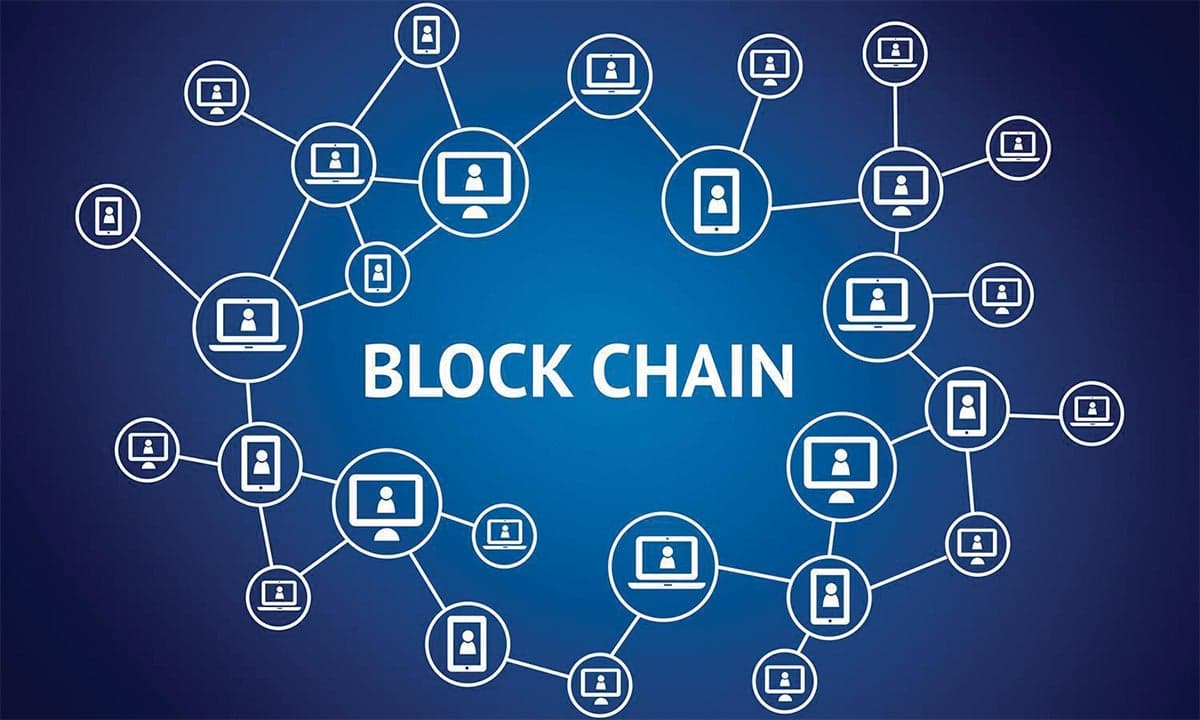
Blockchain is an innovative distributed ledger technology which was first introduced in the design and development of cryptocurrency, Bitcoin in 2009 by Satoshi Nakamoto.
Globally and nationally various efforts are being made towards implementing Blockchain based applications. A digital infrastructure based on Blockchain technology will transform the digital ecosystem in India and will enable the future of digital services, platforms, applications, content and solutions. In recent years, India has made a significant effort to become a digital society by building a large citizen-scale digital public infrastructure.
IMPORTANCE OR USAGE
1. Blockchain technology can facilitate innovations, applications requiring management, storage retrieval and safety of vast & important information.
2. Including management of information pertaining to financial transactions, electoral voting, medical records, academic lessons, property ownership records and professional testimonials.
3. Blockchain technology provides an opportunity for transparent transactions processing in any domain and information stored in fraud-proof ,transparent and credible, decentralized framework.
INDIA AND BLOCKCHAIN
1. Securities and Exchange Board of India (SEBI): SEBI instructed all depositories to use Blockchain Technology for maintaining records.
2. Secured Voting - Students of Malla Reddy Engineering College for women have developed Blockchain technology for the voting process.
3. Tea Board of India: Tea Board of India is planning to adopt Blockchain Technology for keeping an eye on supply chain and adulteration.
4. The Telecom Sector: The Telecom Regulatory Authority of India (TRAI) has instructed to adopt Blockchain technology to track spam calls and unregistered telemarketing companies.
5. Banking Sector
6. Agriculture
7. Governance
8. Tourism
The Ministry of Electronics and Information Technology (Meity) has prepared a draft framework for use of Blockchain Technology in government services.
Blockchain-as-a-Service allows for seamless integration for using blockchain features in various application domains. Although there are some issues of Scalability, Interoperability, Disposal of records, etc with Blockchain but on standard scale it can be very helpful in improvising the digital ecosystem especially in context with current digital scenarios of India.
At present time, blockchain models are partially permitted or are public like Ethereum which is unregulated and relies on intrinsic standards.
The ideal solution to solving most of the known issues of decentralized technologies lies in the middle path, i.e., a national platform operating at L1(layer-1) that interconnects blockchains (both permissioned and public), application providers (decentralized applications — dApps — and existing), token service providers, and infrastructure managers. Together they can form a reliable and efficient network for the Indian digital economy.
The ecosystem can further deploy relevant and purpose-specific applications at L2(Layer-2) for very little cost and effort.
Further, all chains on this public infrastructure will communicate with each other, thus replicating the communication (and avoiding the need for complex integrations with each other) on the Internet for existing Indian digital infrastructure.