
Introduction
In the dynamic realm of IT operations, observability has become a critical component of ensuring system reliability and performance. However, one formidable challenge that organizations face in this paradigm shift is the ever-increasing costs associated with log management. We will delve into the reasons behind the surging log management bills in observability, supported by data and statistics from around the world. Additionally, we'll provide practical strategies to efficiently handle and mitigate these escalating costs. Let's embark on a data-driven journey to conquer the challenges of log management in observability.
A Data-Driven Transformation:
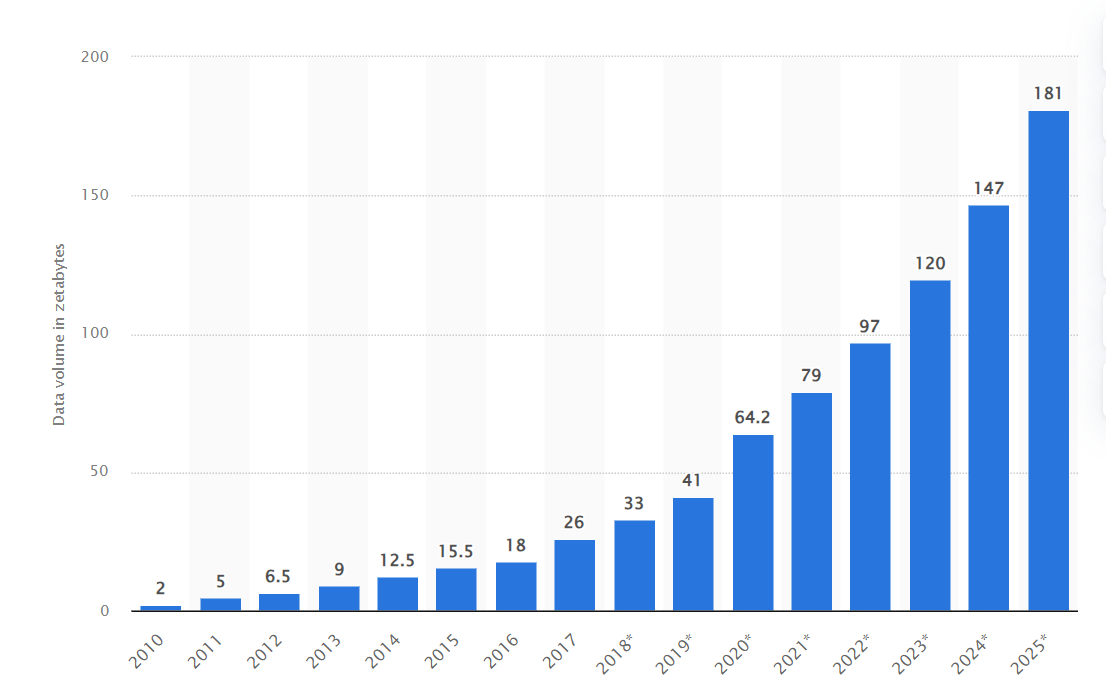
Observability is an approach to collecting and evaluating numerous data sources, including logs, metrics, and traces, in order to acquire profound insights into the behavior of complex systems. This strategy equips firms to spot problems early and fix them before they have an impact on their final consumers. However, if not strategically handled, the enormous amount of data produced by contemporary applications has resulted in a large rise in log management expenditures.
Why Are Log Management Bills on the Rise?
1\. Volume Explosion: Log data volume has grown exponentially as a result of the adoption of microservices, containerization, and cloud-native technologies. According to recent data collected globally, log volume has increased by an average of 73% just in the last year.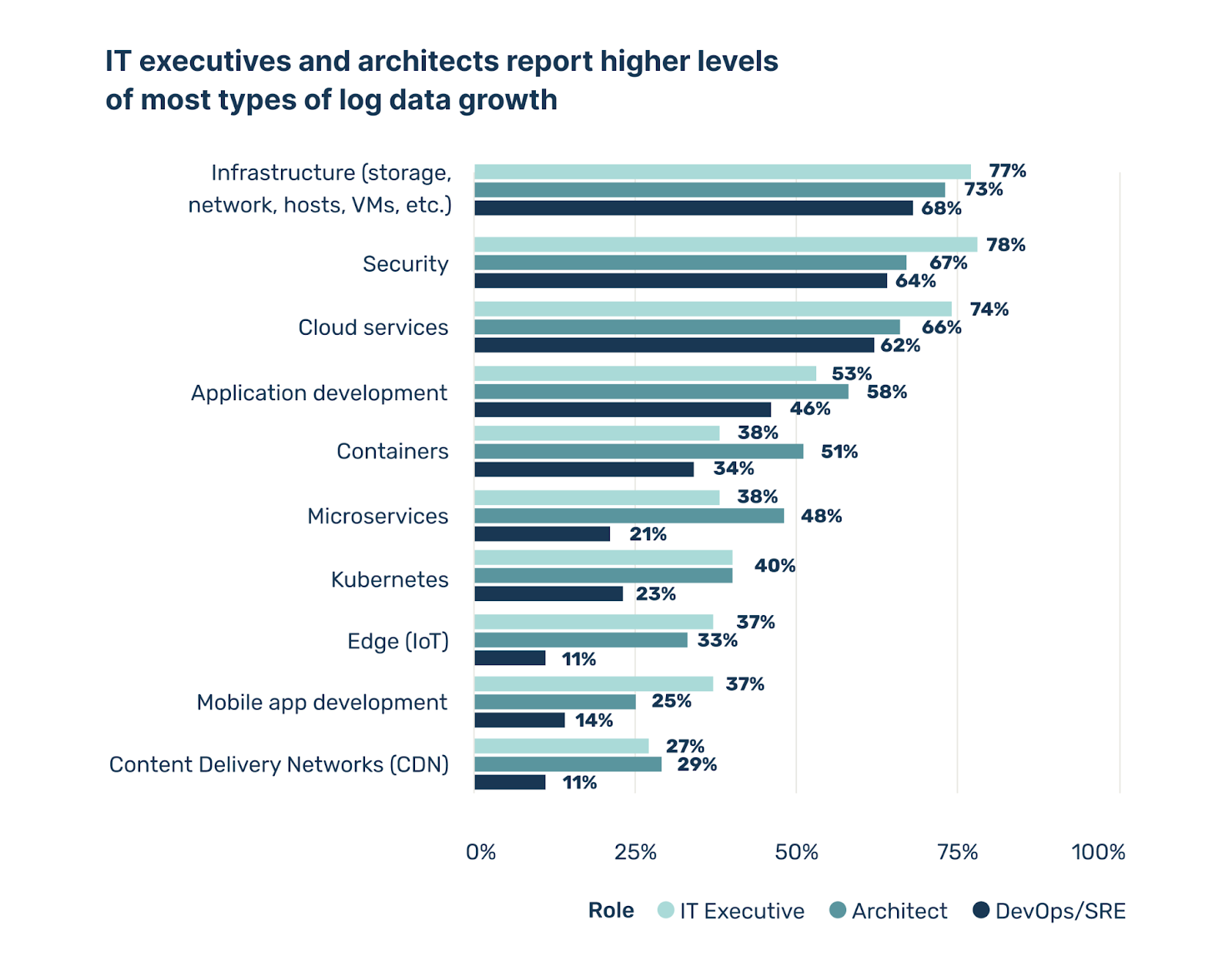
The explosion in log data volume is driven by several factors. The shift towards microservices architecture means that each service generates its own set of logs, leading to a multiplication of log data. Additionally, the widespread use of containerization technologies like Docker and Kubernetes has further contributed to the volume explosion. These technologies spawn numerous containers, each producing logs, which can quickly add up to substantial data volumes.
2\. Data Retention Policies: Due to compliance, security, and troubleshooting requirements, organizations are keeping logs for extended periods of time. Log data retention periods have increased across industries by 42%, notably in areas with strict data requirements like Europe.

The need for compliance with data retention regulations, such as the General Data Protection Regulation (GDPR) in Europe, has forced organizations to retain logs for extended periods. This not only increases storage costs but also complicates log management as the volume of historical data continues to grow.
3\. Inefficient Log Practices: Log storage can become bloated due to poorly formatted logs, excessive verbosity, or redundant data, which raises expenses. Globally, 61% of IT specialists claim that log verbosity is a frequent problem they deal with.
Inefficient log practices can significantly impact log management costs. When logs are overly verbose or contain redundant information, they consume more storage space and require more processing power to analyze. This inefficiency not only leads to increased storage and processing costs but can also hinder the ability to extract meaningful insights from the log data.
##
Strategies to Tackle Rising Log Management Costs
To address the challenge of escalating log management bills, organizations can implement the following strategies:
1\. Data lifespan Management: Establish an unambiguous data lifetime strategy that categorizes logs according to their importance and duration of retention. Reduce storage expenses by archiving or purging less important data.
In data lifecycle management, logs are divided into groups based on their significance and retention needs. Less crucial logs can be archived or purged after a shorter amount of time, whereas critical logs that are necessary for security or compliance may need to be kept for a longer period of time. Organizations can maximize storage utilization and cut expenses by employing a structured data lifecycle approach.
2\. Log Aggregation and Compression: Make use of log aggregation solutions that wisely compress log data to decrease storage needs without losing important information.
Tools for log aggregation gather logs from many sources and compile them in a central repository. These tools frequently provide log compression options, which can greatly minimize the amount of storage needed for log data. Organizations can effectively manage log data while lowering storage costs by employing log aggregation and compression.
3\. Optimize Log Formats: To limit verbosity and storage space consumption, standardize and optimize log formats. Maintain the usefulness of logs while eliminating extraneous fields.
Rendering log entries more efficiently and simply requires refining the structure of log entries as part of log format optimization. Significant storage reductions can be achieved by minimizing redundant information and reducing verbosity. Striking a balance between log optimization and keeping vital data for troubleshooting and analysis is crucial, though.
4\. Implement Log Sampling: instead of collecting each entry, selectively sample logs in certain circumstances. To reduce data volume, storage costs, and processing expenses, strategically implement log sampling.
Instead of recording every log generated, log sampling entails gathering a subset of log entries. This approach can be especially helpful when working with high-volume systems where it would be impractical or prohibitively expensive to capture every log entry. Organizations can minimize data volume while maintaining important insights by carefully sampling logs.
5\. Implement Cloud-Native Solutions: When storing logs in cloud settings, consider leveraging native cloud services. These services frequently provide scalable, cost-efficient solutions.
A variety of log management services are available from cloud providers, all of which are intended to handle enormous amounts of log data effectively. Because they grow automatically based on demand, these services are frequently more affordable than having businesses set up and maintain their own log storage infrastructure.
6\. Monitoring and Alerts: Implement intelligent monitoring and alerting systems to spot unusual log behavior. This will help firms find and fix log-related problems before they become expensive issues.
Organizations can uncover log-related issues early by using proactive monitoring and alerting, preventing them from developing into expensive difficulties. IT teams may quickly address errors or anomalous log patterns by setting up notifications for them, which lowers the impact on log management expenditures.
7\. Regular Cost Audits: Review log management costs on a regular basis to make sure they are in line with changing organizational needs and financial restrictions.
Analyzing log management costs as part of routine cost audits reveals areas where costs might be reduced. This involves examining storage expenses, data retention guidelines, and license costs for log management software. By conducting cost audits, organizations can ensure that their log management practices remain efficient and cost-effective.
Conclusion
Effective log management is not only crucial in the observability era, but it also poses a possible financial burden. Organizations can recover control over escalating log management costs without sacrificing the priceless insights that logs offer by employing clever log data management solutions. Keep in mind that the goal is to maintain the efficiency and effectiveness of observability activities, not just to save money.
It takes time to navigate the complexity of log management costs in observability. Remain alert, adjust to changing conditions, and constantly improve your tactics. One may control log management costs and maintain operational excellence within the organization with the appropriate strategy.